Shopping Cart (0)
Close


email: [email protected]
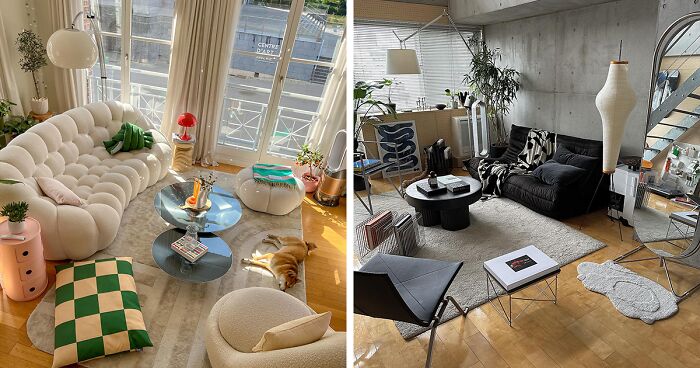
Contemporary home environments are increasingly shaped by the need for flexibility, efficiency, and calm. As living spaces become more compact and multifunctional, the way we equip our homes evolves beyond mere aesthetics. Today, interior design professionals and behavioral researchers emphasize the role of functional design elements — not as standalone products, but as integrated systems that support daily routines, reduce cognitive load, and promote long-term well-being.
This article explores ten functional design approaches that have gained traction among architects, organizers, and ergonomics specialists. Rather than endorsing specific brands or models, we examine the underlying principles that make these solutions effective across different households.
The challenge of clutter is rarely about insufficient space — it is about inefficient space utilization. Modular storage systems, consisting of stackable containers, adjustable shelving, and uniform dimensions, allow residents to reconfigure their environment as needs change.
Why it works:
Modularity reduces decision fatigue. When every item has a geometrically consistent home, visual noise decreases, and retrieval time shortens. This approach is particularly relevant in rental apartments where permanent modifications are restricted.
Static overhead lighting no longer meets the demands of hybrid lifestyles. Adaptive lighting — characterized by tunable color temperatures, dimming curves, and presence-based automation — supports circadian rhythms and task-specific visual comfort.
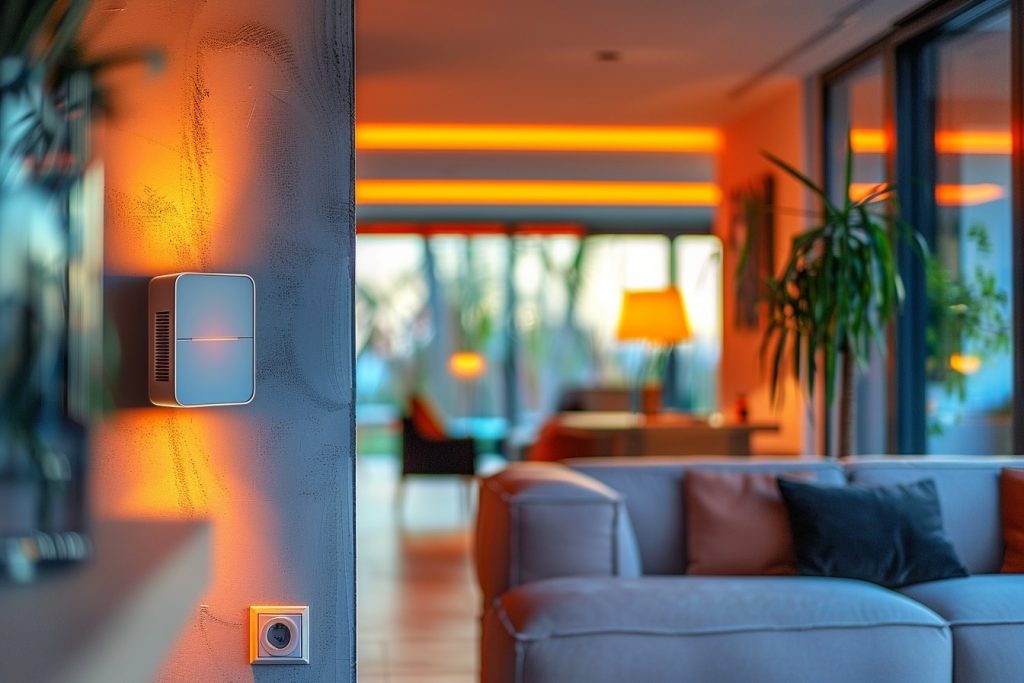
Design principle:
Light should transition throughout the day. Cool, high-lux illumination during work hours supports alertness; warm, low-glare settings in the evening facilitate relaxation. Wireless control interfaces enable personalization without electrical rewiring.
Cleaning efficacy depends less on chemical agents and more on fiber engineering. Microfiber and structured non-woven textiles demonstrate superior particle entrapment compared to conventional cotton cloths, particularly on high-touch surfaces and glass.
Material science insight:
Split-fiber construction creates electrostatic attraction, capturing dust without aerosolizing particles. Reusable formats also contribute to household waste reduction targets.
In beverage preparation and light cooking, temperature precision significantly influences both sensory outcomes and energy consumption. Variable-temperature vessels allow users to match thermal profiles to specific ingredients — green tea at 70°C, french press at 93°C, instant oats at 95°C.
Efficiency note:
Electrically heated vessels with insulated double-wall construction maintain thermal stability longer than stovetop alternatives, reducing standby energy use.
Heat transfer management is critical in preserving non-stick cookware coatings and ensuring food release. Flexible polymer tools with high heat deflection temperatures offer mechanical compliance without surface abrasion.
Functional benefit:
Seamless edges and chemically inert materials prevent flavor cross-contamination and simplify sanitation protocols.
Floor care equipment has undergone significant miniaturization. Low-profile vacuum systems with cyclonic separation and HEPA filtration now achieve surface pickup efficiency comparable to full-size units while occupying 60–70% less storage volume.
Application context:
Particularly suitable for multi-level residences, studio apartments, and households prioritizing minimal visual footprint.
Vertical surfaces represent underutilized real estate in most homes. Tension-mounted or friction-fit organizers that engage door frames and cabinet edges enable storage without substrate penetration.
Structural consideration:
Load distribution must respect door weight ratings and hinge torque specifications. When correctly specified, these solutions preserve architectural integrity while expanding accessible storage.
Single-use food packaging generates substantial downstream environmental impact. Reusable film and pouch systems manufactured from platinum-cured silicone or laminated fabric provide oxygen and moisture barriers comparable to disposable plastics.
Lifecycle perspective:
Although initial material investment is higher, per-use cost typically crosses parity within 30–50 cycles.
Volume-based measurement introduces variability in culinary outcomes. Gravimetric tools with high-resolution load cells and instantaneous tare functions enable consistent recipe replication and portion control.
Precision benefit:
Particularly valuable in dietary management contexts where macronutrient accuracy is clinically relevant.
Wrinkle management has evolved from static ironing surfaces to directed steam application. Handheld steam devices generate saturated vapor at controlled flow rates, allowing vertical fabric treatment without dedicated infrastructure.
Material compatibility:
Suitable for most textiles except those with water-sensitive finishes; instant steam production eliminates preheating waiting periods.
The distinction between a “product” and a “solution” lies in transferability. While specific manufactured items will continue to evolve, the underlying design principles — modularity, precision, adaptability, and material efficiency — remain stable.
Homeowners, renters, and facility managers benefit more from understanding these principles than from memorizing brand names. By evaluating household tools through the lens of functional performance rather than commercial trends, one can assemble a living environment that remains relevant across multiple life stages.
This article is provided for general informational and educational purposes. It does not constitute an endorsement of any specific commercial product, brand, or retailer. Performance characteristics described are based on publicly available engineering data and should be verified by end users prior to procurement. Always consult manufacturer specifications and safety certifications before integrating new equipment into residential environments.