Shopping Cart (0)
Close


email: [email protected]
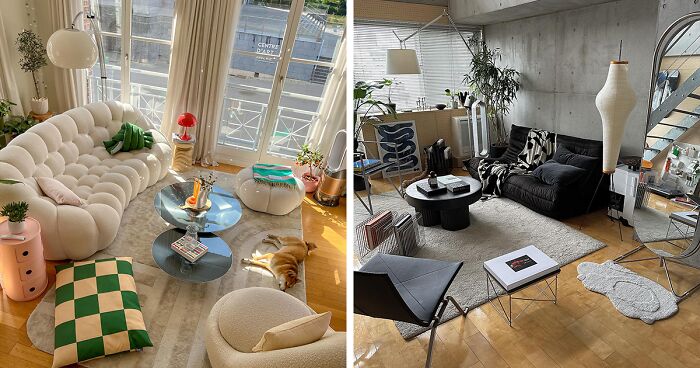
Contemporary home environments are increasingly shaped by the need for flexibility, efficiency, and calm. As living spaces become more compact and multifunctional, the way we equip our homes evolves beyond mere aesthetics. Today, interior design professionals and behavioral researchers emphasize the role of functional design elements — not as standalone products, but as integrated systems that support daily routines, reduce cognitive load, and promote long-term well-being.
This article explores ten functional design approaches that have gained traction among architects, organizers, and ergonomics specialists. Rather than endorsing specific brands or models, we examine the underlying principles that make these solutions effective across different households.
The challenge of clutter is rarely about insufficient space — it is about inefficient space utilization. Modular storage systems, consisting of stackable containers, adjustable shelving, and uniform dimensions, allow residents to reconfigure their environment as needs change.
Why it works:
Modularity reduces decision fatigue. When every item has a geometrically consistent home, visual noise decreases, and retrieval time shortens. This approach is particularly relevant in rental apartments where permanent modifications are restricted.
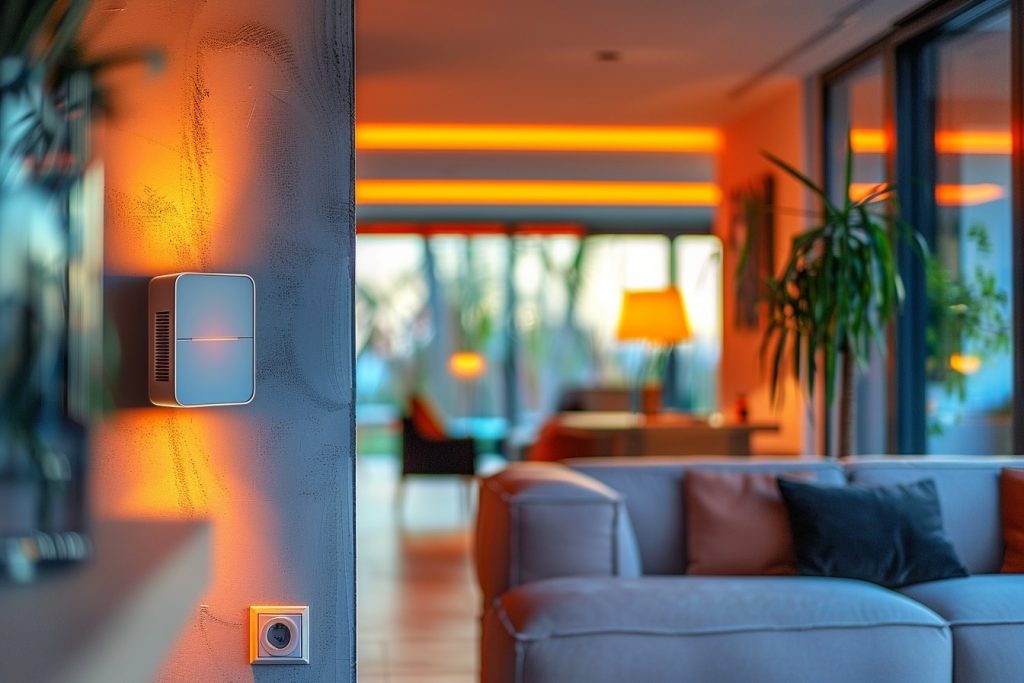
Static overhead lighting no longer meets the demands of hybrid lifestyles. Adaptive lighting — characterized by tunable color temperatures, dimming curves, and presence-based automation — supports circadian rhythms and task-specific visual comfort.
Design principle:
Light should transition throughout the day. Cool, high-lux illumination during work hours supports alertness; warm, low-glare settings in the evening facilitate relaxation. Wireless control interfaces enable personalization without electrical rewiring.
Cleaning efficacy depends less on chemical agents and more on fiber engineering. Microfiber and structured non-woven textiles demonstrate superior particle entrapment compared to conventional cotton cloths, particularly on high-touch surfaces and glass.
Material science insight:
Split-fiber construction creates electrostatic attraction, capturing dust without aerosolizing particles. Reusable formats also contribute to household waste reduction targets.
In beverage preparation and light cooking, temperature precision significantly influences both sensory outcomes and energy consumption. Variable-temperature vessels allow users to match thermal profiles to specific ingredients — green tea at 70°C, french press at 93°C, instant oats at 95°C.
Efficiency note:
Electrically heated vessels with insulated double-wall construction maintain thermal stability longer than stovetop alternatives, reducing standby energy use.
Heat transfer management is critical in preserving non-stick cookware coatings and ensuring food release. Flexible polymer tools with high heat deflection temperatures offer mechanical compliance without surface abrasion.
Functional benefit:
Seamless edges and chemically inert materials prevent flavor cross-contamination and simplify sanitation protocols.
Floor care equipment has undergone significant miniaturization. Low-profile vacuum systems with cyclonic separation and HEPA filtration now achieve surface pickup efficiency comparable to full-size units while occupying 60–70% less storage volume.
Application context:
Particularly suitable for multi-level residences, studio apartments, and households prioritizing minimal visual footprint.
Vertical surfaces represent underutilized real estate in most homes. Tension-mounted or friction-fit organizers that engage door frames and cabinet edges enable storage without substrate penetration.
Structural consideration:
Load distribution must respect door weight ratings and hinge torque specifications. When correctly specified, these solutions preserve architectural integrity while expanding accessible storage.
Single-use food packaging generates substantial downstream environmental impact. Reusable film and pouch systems manufactured from platinum-cured silicone or laminated fabric provide oxygen and moisture barriers comparable to disposable plastics.
Lifecycle perspective:
Although initial material investment is higher, per-use cost typically crosses parity within 30–50 cycles.
Volume-based measurement introduces variability in culinary outcomes. Gravimetric tools with high-resolution load cells and instantaneous tare functions enable consistent recipe replication and portion control.
Precision benefit:
Particularly valuable in dietary management contexts where macronutrient accuracy is clinically relevant.
Wrinkle management has evolved from static ironing surfaces to directed steam application. Handheld steam devices generate saturated vapor at controlled flow rates, allowing vertical fabric treatment without dedicated infrastructure.
Material compatibility:
Suitable for most textiles except those with water-sensitive finishes; instant steam production eliminates preheating waiting periods.
The distinction between a “product” and a “solution” lies in transferability. While specific manufactured items will continue to evolve, the underlying design principles — modularity, precision, adaptability, and material efficiency — remain stable.
Homeowners, renters, and facility managers benefit more from understanding these principles than from memorizing brand names. By evaluating household tools through the lens of functional performance rather than commercial trends, one can assemble a living environment that remains relevant across multiple life stages.
This article is provided for general informational and educational purposes. It does not constitute an endorsement of any specific commercial product, brand, or retailer. Performance characteristics described are based on publicly available engineering data and should be verified by end users prior to procurement. Always consult manufacturer specifications and safety certifications before integrating new equipment into residential environments.

Smart home shopping is not about buying the latest gadgets or filling your space with unnecessary technology. It is about making thoughtful purchasing decisions that improve comfort, efficiency, and everyday functionality. By focusing on practicality and long-term value, homeowners can create a living environment that supports their lifestyle without overspending. This article explains how to invest wisely in home products that truly make a difference.
Before making any purchase, it is important to understand what comfort and practicality mean for your specific needs. A family household, a remote worker, and a small apartment resident will all have different priorities.
Comfort may involve better lighting, improved sleep quality, or ergonomic furniture. Practicality may include easy maintenance, space-saving solutions, or multi-purpose tools. Identifying these priorities helps avoid unnecessary purchases and ensures each item serves a clear purpose.
The smartest investments are often items used every day. Products that support daily routines have the greatest impact on comfort and efficiency.
Examples include quality bedding, functional kitchen tools, reliable storage systems, and effective cleaning supplies. Spending slightly more on these essentials often results in better performance, longer lifespan, and greater overall satisfaction.
Many home products come with extra features that increase price without adding real value. Smart shopping means evaluating whether each feature will actually be used.
A simple, well-designed product that performs its main function reliably is often a better choice than a complex alternative. Prioritizing ease of use and durability ensures practicality over novelty.
Multi-functional home goods are key to maximizing value. Items that serve more than one purpose reduce clutter, save space, and eliminate the need for additional purchases.
Examples include storage furniture, modular shelving, kitchen tools designed for multiple tasks, and adjustable lighting solutions. These products adapt to changing needs and provide long-term flexibility.
Comfort is closely linked to how much time and effort a home requires to maintain. Energy-efficient appliances, easy-to-clean materials, and automated solutions reduce daily workload.
Products such as smart lighting, programmable thermostats, and durable surfaces help lower utility costs while improving convenience. Over time, these efficiencies translate into both financial savings and improved quality of life.
Quality materials are essential for long-term comfort and practicality. Poor construction leads to frequent replacements, which increases costs and frustration.
Look for solid construction, reinforced joints, and materials known for durability. Reading product specifications and customer feedback helps identify items that maintain performance over time.
A comfortable home should look good, but appearance should never come at the expense of function. Smart home shopping involves choosing designs that are both attractive and practical.
Neutral colors, simple forms, and timeless styles are easier to integrate into different spaces and less likely to feel outdated. This balance allows products to remain useful and visually appealing for years.
Customer reviews offer valuable insight when evaluated carefully. Focus on comments that describe long-term use, maintenance, and real-life performance.
Pay attention to repeated issues or consistent praise across reviews. This information often reveals whether a product delivers practical benefits beyond initial impressions.
Impulse purchases are rarely practical. Planning allows time to compare options, assess value, and wait for better pricing.
Creating a shopping list based on actual needs helps keep spending intentional. Smart shoppers invest gradually, choosing quality items over time rather than making rushed decisions.
The cheapest option is not always the smartest choice. A product that lasts longer, performs better, and requires less maintenance often provides greater value over time.
Smart home shopping focuses on cost-per-use rather than initial price. Investing in reliable products improves comfort and reduces the need for frequent replacements.
Smart home shopping is about intentional investment in comfort and practicality. By prioritizing daily use, quality materials, multi-functionality, and long-term value, homeowners can build a space that supports their routines and enhances everyday life.
A well-chosen home product does more than fill a space—it simplifies tasks, reduces stress, and contributes to a more comfortable and efficient living environment. Thoughtful decisions today lead to lasting comfort tomorrow.
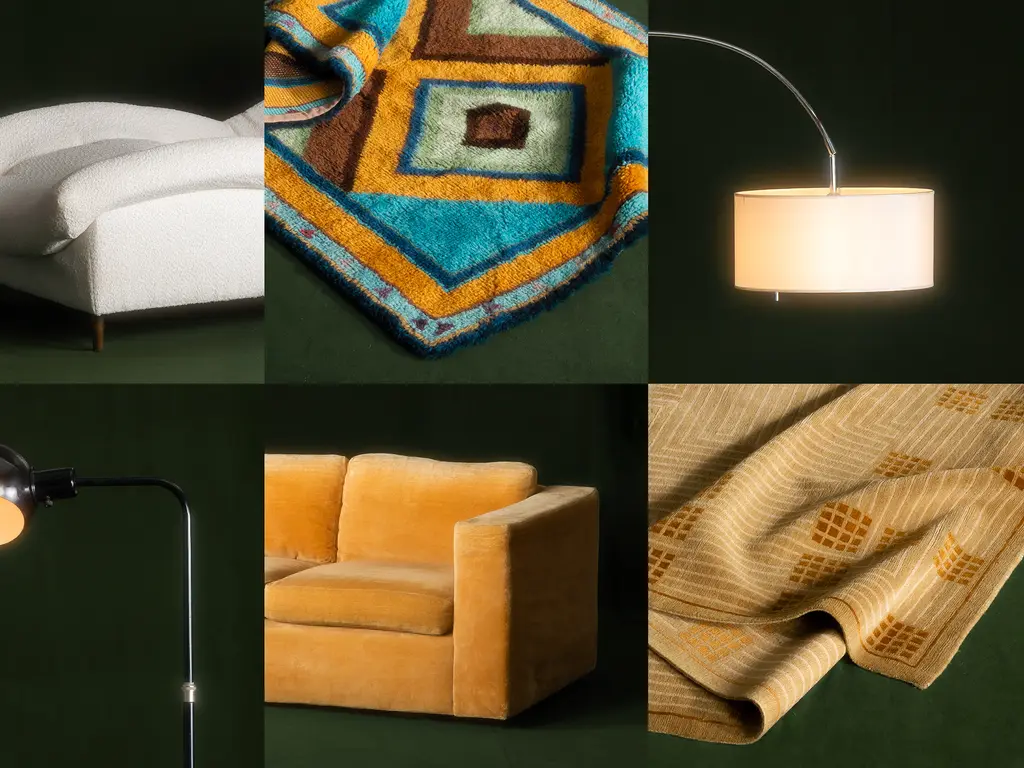
Buying home goods can be surprisingly expensive, especially when marketing, brand names, and trends influence purchasing decisions. However, quality does not always mean high price. With the right approach, it is possible to choose durable, functional, and stylish home products without overspending. This guide explains how to shop smart and invest wisely in home essentials.
Quality is not defined by brand reputation or appearance alone. A high-quality home product should meet three core criteria: durability, functionality, and safety.
Before purchasing, consider how often the item will be used and under what conditions. A quality product should perform its function consistently over time without frequent repairs or replacements. Materials, construction, and design are more important indicators of quality than logos or packaging.
The materials used in home goods often determine both price and lifespan. Understanding basic material properties helps you avoid paying extra for poor-quality items.
For example:
Check product descriptions carefully and learn to recognize common material terms. If details are vague or missing, it may be a sign of lower quality.
Well-known brands often charge a premium for their name, not necessarily for superior performance. While some brands offer reliable quality, many lesser-known manufacturers produce comparable products at a lower cost.
Compare specifications instead of labels. If two products use the same materials, dimensions, and manufacturing standards, the less expensive option may offer better value. Customer reviews can often reveal whether a brand’s price is justified.
Customer reviews are one of the most valuable tools when shopping online, but they must be analyzed carefully. Focus on detailed reviews that mention long-term use, durability, and specific pros and cons.
Be cautious of:
Balanced feedback usually provides the most honest insight into a product’s true quality.
Trendy home goods often look appealing but may not be practical or long-lasting. Trend-driven designs can become outdated quickly, leading to replacement costs.
Instead, prioritize functionality and timeless design. Neutral colors, simple shapes, and versatile features allow products to remain useful and visually appealing for years. This approach reduces the need for frequent upgrades and saves money in the long term.
Prices for the same or similar products can vary significantly between retailers. Before making a purchase, compare prices across different online and physical stores.
Look for:
Taking time to compare options can lead to substantial savings without compromising quality.
A good warranty often reflects a manufacturer’s confidence in their product. Items with warranties or clear return policies provide additional protection against defects or dissatisfaction.
Even for lower-cost items, flexible return options reduce the risk of wasting money. Always review the return terms before purchasing, especially for electronics and larger home goods.
Not all home goods deserve the same budget. Items used daily, such as cookware, bedding, cleaning tools, and storage solutions, should receive higher investment.
Spending slightly more on these essentials often results in better comfort, efficiency, and durability. On the other hand, decorative or rarely used items can be purchased at lower cost without significant impact.
Multi-functional home goods offer better value by serving more than one purpose. Examples include storage furniture, modular organizers, or kitchen tools designed for multiple tasks.
These products reduce clutter, save space, and eliminate the need for additional purchases. Over time, multi-purpose items help control spending and improve organization.
Impulse buying is one of the main reasons people overpay for home goods. Planning purchases in advance allows you to research, compare options, and wait for better deals.
Create a priority list of items you truly need. This approach keeps spending intentional and ensures that every purchase contributes to a more comfortable and efficient home.
Choosing quality home goods without overpaying requires awareness, research, and patience. By focusing on materials, functionality, and real value rather than branding and trends, it is possible to build a well-equipped home on a reasonable budget.
Smart shopping is not about buying the cheapest option, but about making informed decisions that balance cost, durability, and long-term satisfaction. With the right strategy, quality and affordability can go hand in hand.
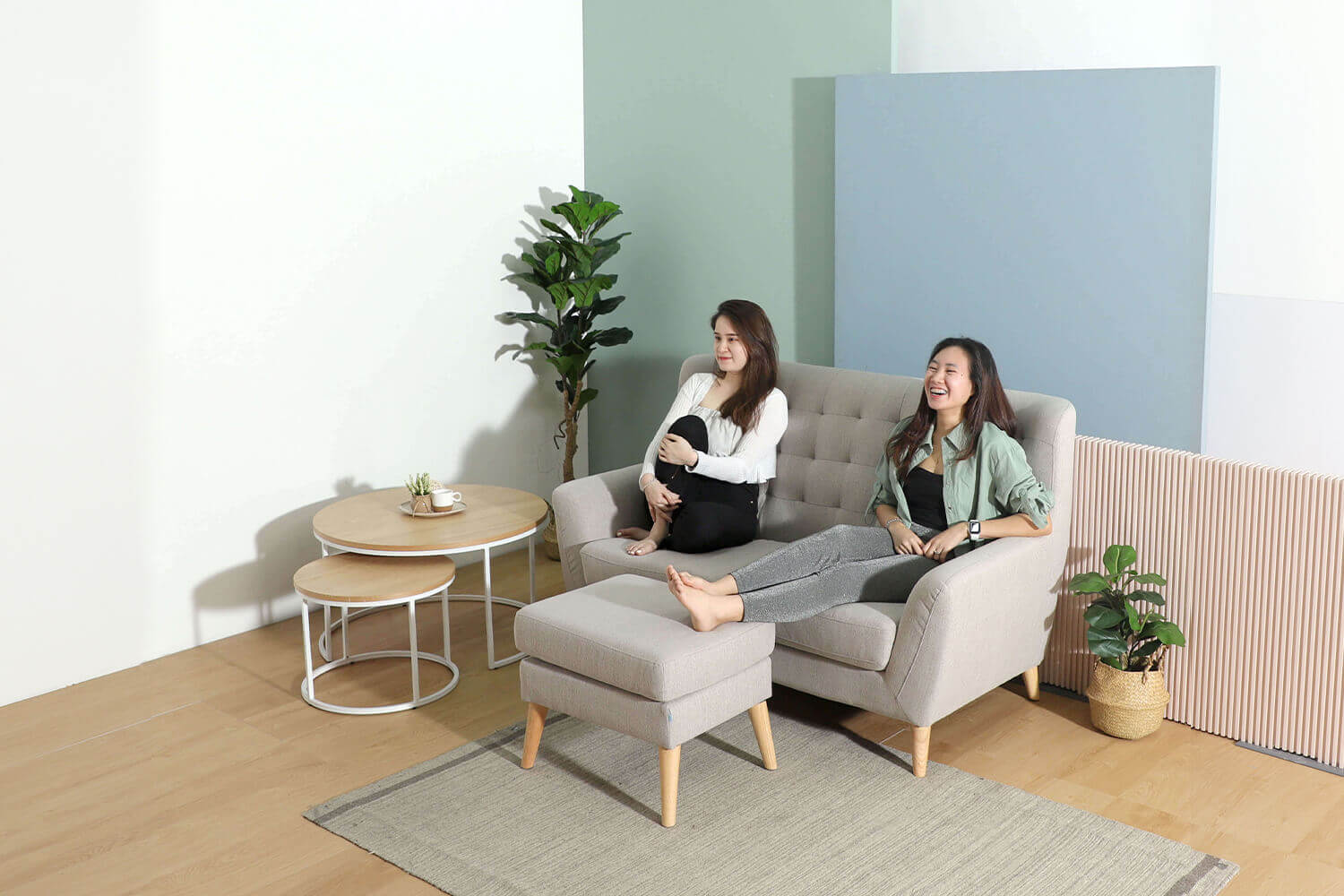
Comfort at home is often associated with large furniture pieces or major renovations. However, some of the most noticeable improvements come from small, well-chosen items that quietly enhance daily life. These products may seem minor at first, but together they create a more pleasant, functional, and relaxing living environment. This article explores small home items that deliver a significant impact on comfort without requiring a large investment.
Lighting plays a crucial role in how comfortable a space feels. Small lighting upgrades such as warm LED bulbs, table lamps, or dimmable lights can dramatically change the atmosphere of a room.
Soft, warm lighting reduces eye strain, improves relaxation, and makes spaces feel more inviting. Adjustable lighting options allow you to adapt the environment for different times of day, whether working, resting, or entertaining guests.
Cushions and throw pillows are simple additions that improve both physical comfort and visual warmth. They provide extra support for seating and help create a cozy atmosphere in living rooms and bedrooms.
Choosing breathable fabrics and neutral colors ensures versatility and long-term use. Even a small number of well-placed cushions can make sofas and chairs noticeably more comfortable.
Door stoppers, soft-close hinges, and cabinet dampers are small details that often go unnoticed until they are missing. These items reduce noise, prevent damage to walls and furniture, and contribute to a calmer home environment.
By minimizing sudden sounds and impacts, they subtly improve daily comfort, especially in shared living spaces.
Rugs and mats serve more than a decorative purpose. Non-slip options increase safety, add warmth underfoot, and help define different areas within a room.
In bathrooms and kitchens, quality mats improve comfort during daily routines. In living spaces, rugs reduce noise and make rooms feel more grounded and welcoming.
Disorganization is a common source of frustration at home. Small drawer dividers and shelf organizers help keep items visible, accessible, and neatly arranged.
These tools save time, reduce clutter, and make everyday tasks smoother. Organized spaces contribute directly to a sense of calm and control.
Comfort in the bedroom often depends on small details. Bedside lamps with warm light, compact organizers, and soft alarm clocks contribute to better sleep routines.
Keeping essential items within reach reduces nighttime disruptions and creates a more relaxing bedtime environment. These small additions support consistent rest and improved sleep quality.
Wall-mounted hooks and compact racks provide convenient storage without taking up floor space. They are ideal for hanging bags, jackets, towels, or accessories.
These items keep frequently used objects accessible while reducing visual clutter. They are especially useful in entryways, bathrooms, and small bedrooms.
In bathrooms, comfort often comes from thoughtful upgrades rather than large changes. Soft-close toilet seats, ergonomic soap dispensers, and absorbent towels enhance daily routines.
These small improvements reduce noise, increase hygiene, and make the space feel more refined and comfortable.
Small plants can significantly improve the atmosphere of a home. They add natural texture, improve air quality, and create a calming visual effect.
Even low-maintenance plants can make rooms feel fresher and more alive. Placing greenery in key areas such as living rooms, kitchens, or workspaces enhances overall comfort.
Comfort is not only visual but also tactile. Items such as soft blankets, fabric curtains, and upholstered accessories improve how a space feels to the touch.
Textured materials absorb sound, regulate temperature, and create a sense of warmth. These small additions contribute to a more balanced and pleasant living environment.
Small home items often deliver the greatest return when it comes to comfort. By focusing on lighting, organization, texture, and everyday convenience, it is possible to create a more comfortable home without major changes or high costs.
Thoughtful details improve daily routines, reduce stress, and enhance overall well-being. Comfort is built through many small choices, and each of them plays an important role in shaping how a home feels and functions.
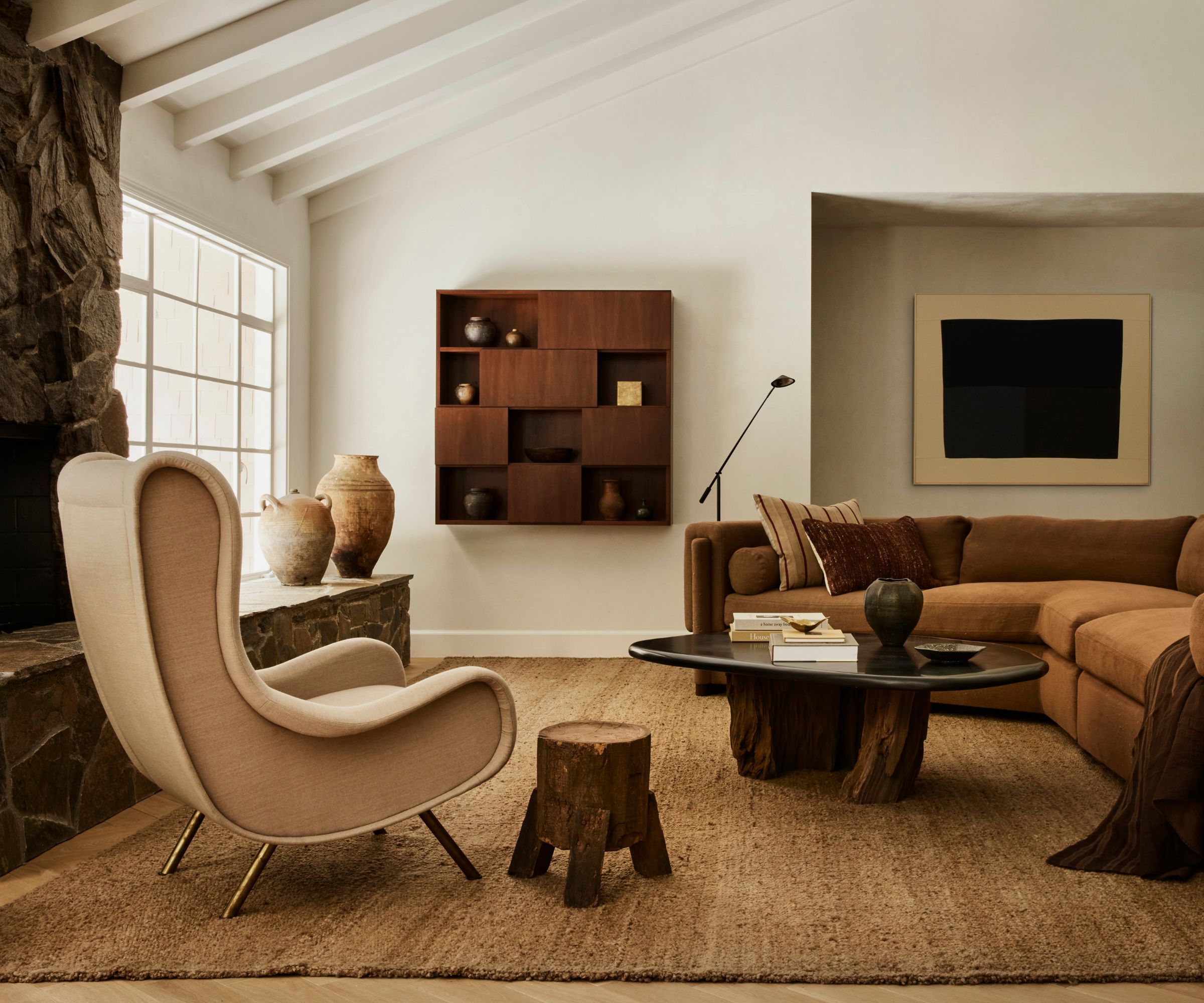
Home living continues to evolve as lifestyles, technology, and values change. In 2026, modern homes are no longer defined by size or luxury, but by efficiency, sustainability, comfort, and adaptability. Consumers are increasingly focused on creating living spaces that support well-being, save time, and reflect long-term thinking rather than short-term trends. This article explores the key home living trends of 2026 and the essential products shaping the modern home.
Minimalism remains influential in 2026, but with a stronger focus on functionality rather than aesthetics alone. Instead of empty spaces, modern homes emphasize purposeful design where every item has a clear role.
Key essentials include modular storage systems, multi-use furniture, and concealed organizers. These solutions reduce visual clutter while maintaining practicality. Clean lines, neutral colors, and compact designs allow spaces to feel calm, organized, and flexible for different needs.
Sustainability is no longer optional; it is an expectation. Homeowners are prioritizing products made from recycled, renewable, or biodegradable materials.
Popular essentials include reusable food storage solutions, natural fiber textiles, bamboo or wood-based accessories, and energy-efficient appliances. Durability is now a critical factor, as consumers seek products that last longer and reduce waste over time.
Smart home technology in 2026 is more subtle and purpose-driven. Instead of complex systems, consumers prefer intuitive devices that improve daily routines without technical overload.
Essential smart products include automated lighting, energy-monitoring plugs, temperature-regulating devices, and smart security solutions. The emphasis is on simplicity, reliability, and seamless integration into everyday life.
Comfort has become a core design principle. Homes are increasingly designed to support rest, relaxation, and mental well-being.
Key essentials include ergonomic furniture, breathable bedding materials, adjustable lighting, and sound-reducing elements such as rugs and curtains. The goal is to create spaces that adapt to both work and rest without compromising comfort.
Remote work and hybrid lifestyles continue to shape home design. In 2026, rooms are expected to serve multiple functions throughout the day.
Essential products include foldable desks, modular shelving, movable partitions, and storage furniture that can adapt to changing needs. Flexibility allows homeowners to maximize space without permanent structural changes.
The modern kitchen focuses on efficiency rather than excess. Consumers prefer fewer tools that perform multiple tasks well.
Essentials include space-saving organizers, high-quality cookware, digital kitchen scales, and appliances with energy-saving features. Easy-to-clean surfaces and durable materials are prioritized to reduce maintenance time.
Health-conscious living is a major influence on home product choices in 2026. Indoor air quality, hygiene, and ergonomics are increasingly important.
Key essentials include air purifiers, water filtration systems, non-toxic cleaning tools, and antibacterial materials. These products support healthier living environments without adding complexity to daily routines.
Design trends favor timeless color palettes combined with natural textures. Instead of bold patterns, modern homes use soft tones such as beige, gray, and muted earth colors.
Essential decorative elements include linen fabrics, ceramic accessories, wood finishes, and indoor plants. These choices create a warm, balanced atmosphere while remaining adaptable to future changes.
Despite the rise of smart devices, 2026 also emphasizes the importance of disconnecting. Homes now include areas designed specifically for relaxation without screens.
Essentials for these spaces include comfortable seating, warm lighting, bookshelves, and tactile materials. These zones promote mindfulness and reduce digital fatigue.
Perhaps the most important trend of 2026 is the shift toward intentional purchasing. Consumers are focusing on long-term value rather than seasonal trends.
Modern essentials are chosen based on durability, adaptability, and timeless design. This approach reduces waste, saves money, and creates a more stable and satisfying living environment.
Home living trends in 2026 reflect a deeper understanding of what truly matters in everyday life. Modern homes are defined by thoughtful design, sustainable choices, and products that support comfort, health, and efficiency.
By investing in practical essentials rather than temporary trends, homeowners can create spaces that remain functional, welcoming, and relevant for years to come. The modern home of 2026 is not about having more, but about choosing better.
