Shopping Cart (0)
Close


email: [email protected]
Home living continues to evolve as lifestyles, technology, and values change. In 2026, modern homes are no longer defined by size or luxury, but by efficiency, sustainability, comfort, and adaptability. Consumers are increasingly focused on creating living spaces that support well-being, save time, and reflect long-term thinking rather than short-term trends. This article explores the key home living trends of 2026 and the essential products shaping the modern home.
Minimalism remains influential in 2026, but with a stronger focus on functionality rather than aesthetics alone. Instead of empty spaces, modern homes emphasize purposeful design where every item has a clear role.
Key essentials include modular storage systems, multi-use furniture, and concealed organizers. These solutions reduce visual clutter while maintaining practicality. Clean lines, neutral colors, and compact designs allow spaces to feel calm, organized, and flexible for different needs.
Sustainability is no longer optional; it is an expectation. Homeowners are prioritizing products made from recycled, renewable, or biodegradable materials.
Popular essentials include reusable food storage solutions, natural fiber textiles, bamboo or wood-based accessories, and energy-efficient appliances. Durability is now a critical factor, as consumers seek products that last longer and reduce waste over time.
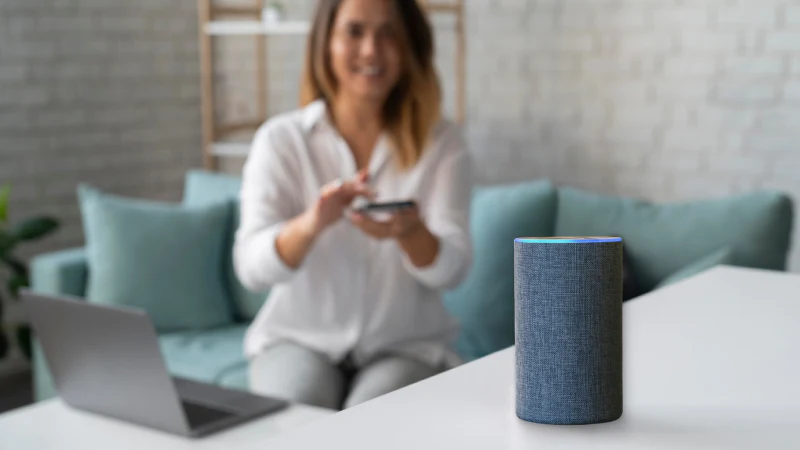
Smart home technology in 2026 is more subtle and purpose-driven. Instead of complex systems, consumers prefer intuitive devices that improve daily routines without technical overload.
Essential smart products include automated lighting, energy-monitoring plugs, temperature-regulating devices, and smart security solutions. The emphasis is on simplicity, reliability, and seamless integration into everyday life.
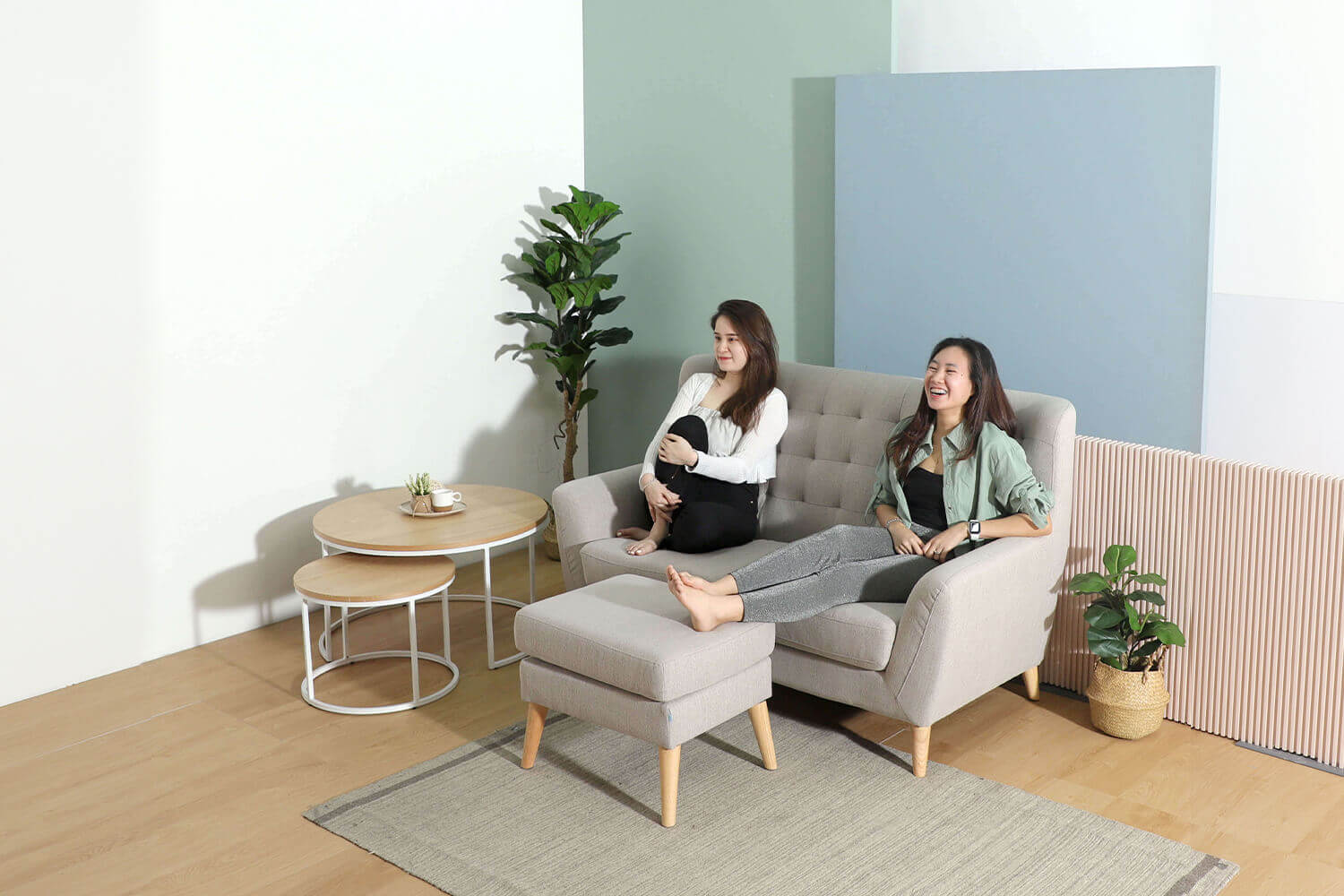
Comfort has become a core design principle. Homes are increasingly designed to support rest, relaxation, and mental well-being.
Key essentials include ergonomic furniture, breathable bedding materials, adjustable lighting, and sound-reducing elements such as rugs and curtains. The goal is to create spaces that adapt to both work and rest without compromising comfort.
Remote work and hybrid lifestyles continue to shape home design. In 2026, rooms are expected to serve multiple functions throughout the day.
Essential products include foldable desks, modular shelving, movable partitions, and storage furniture that can adapt to changing needs. Flexibility allows homeowners to maximize space without permanent structural changes.
The modern kitchen focuses on efficiency rather than excess. Consumers prefer fewer tools that perform multiple tasks well.
Essentials include space-saving organizers, high-quality cookware, digital kitchen scales, and appliances with energy-saving features. Easy-to-clean surfaces and durable materials are prioritized to reduce maintenance time.
Health-conscious living is a major influence on home product choices in 2026. Indoor air quality, hygiene, and ergonomics are increasingly important.
Key essentials include air purifiers, water filtration systems, non-toxic cleaning tools, and antibacterial materials. These products support healthier living environments without adding complexity to daily routines.
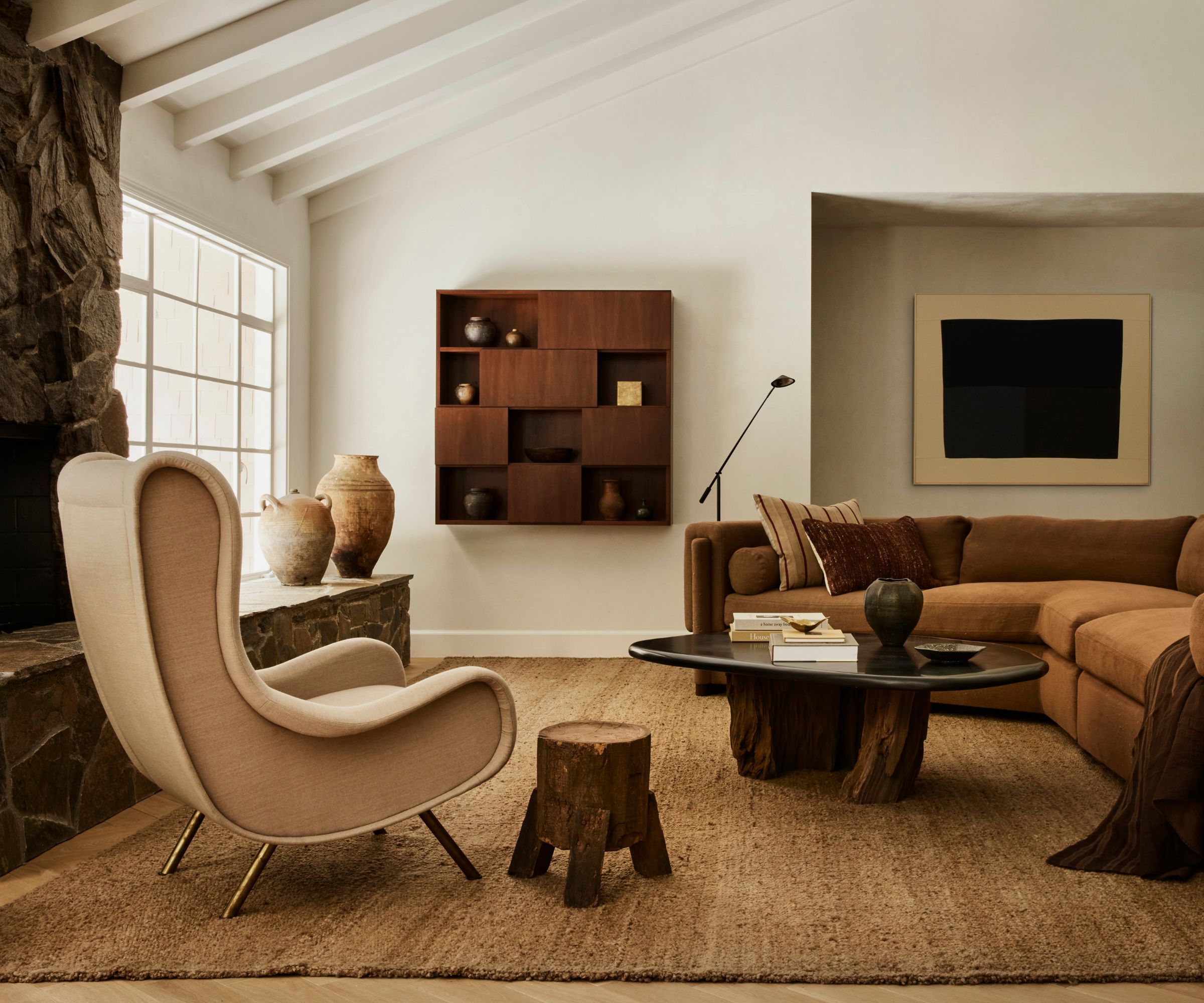
Design trends favor timeless color palettes combined with natural textures. Instead of bold patterns, modern homes use soft tones such as beige, gray, and muted earth colors.
Essential decorative elements include linen fabrics, ceramic accessories, wood finishes, and indoor plants. These choices create a warm, balanced atmosphere while remaining adaptable to future changes.
Despite the rise of smart devices, 2026 also emphasizes the importance of disconnecting. Homes now include areas designed specifically for relaxation without screens.
Essentials for these spaces include comfortable seating, warm lighting, bookshelves, and tactile materials. These zones promote mindfulness and reduce digital fatigue.
Perhaps the most important trend of 2026 is the shift toward intentional purchasing. Consumers are focusing on long-term value rather than seasonal trends.
Modern essentials are chosen based on durability, adaptability, and timeless design. This approach reduces waste, saves money, and creates a more stable and satisfying living environment.
Home living trends in 2026 reflect a deeper understanding of what truly matters in everyday life. Modern homes are defined by thoughtful design, sustainable choices, and products that support comfort, health, and efficiency.
By investing in practical essentials rather than temporary trends, homeowners can create spaces that remain functional, welcoming, and relevant for years to come. The modern home of 2026 is not about having more, but about choosing better.